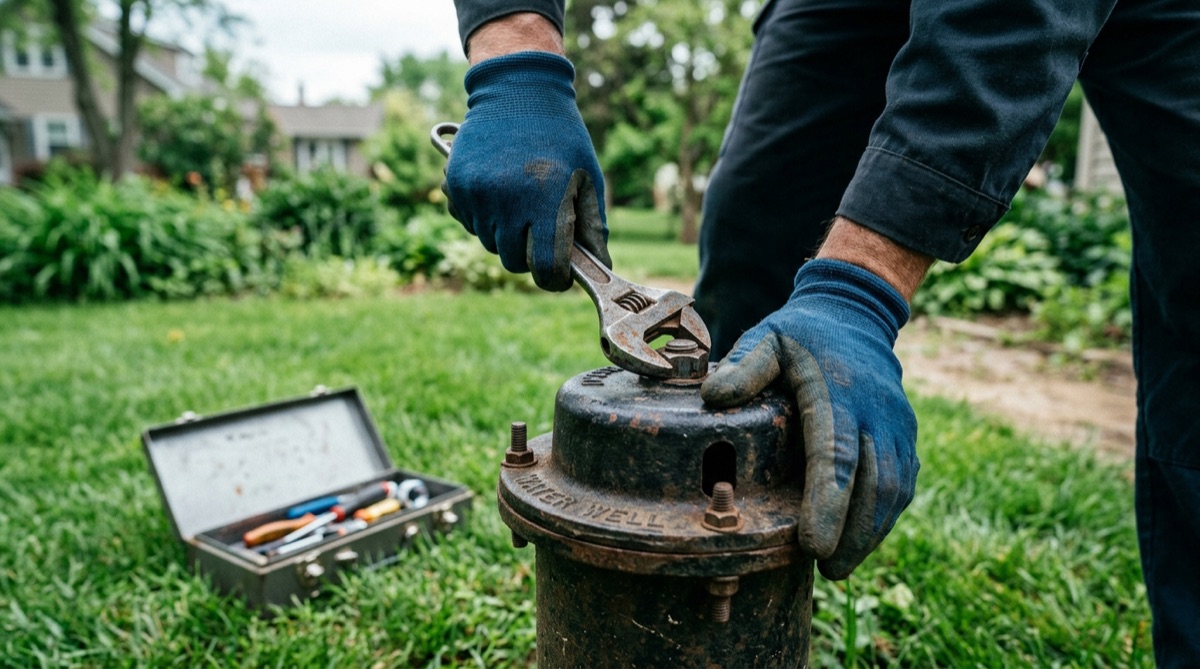
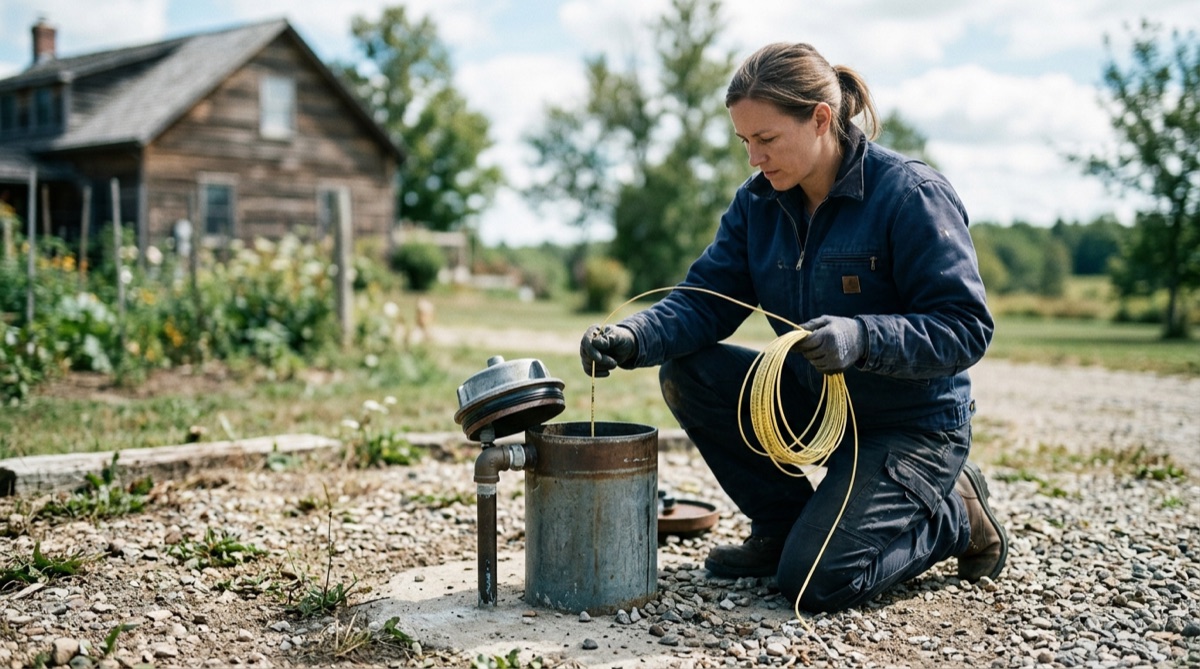
Nobody is maintaining your well for you. City water comes with utility technicians, treatment plants, inspection routines, and testing schedules. A private well has you. Unless you arrange the work,…
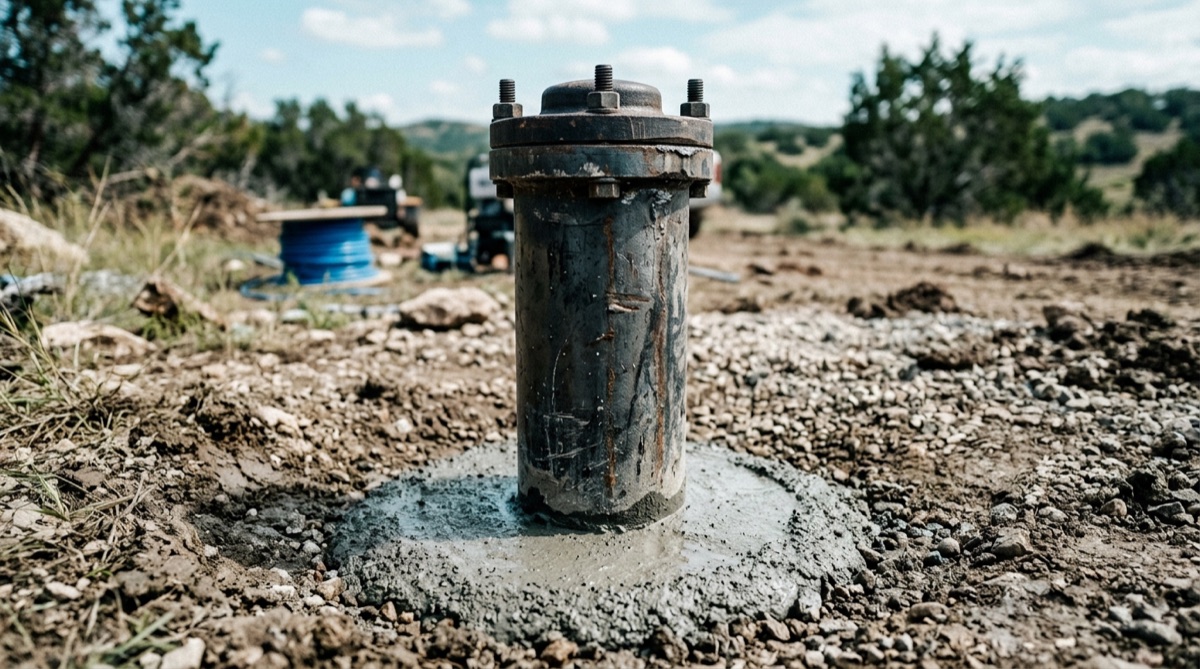
The casing and grout seal are the two components that protect your drinking water from contamination at the surface. If either fails, bacteria, pesticides, fuel, road salt, or dirty runoff…
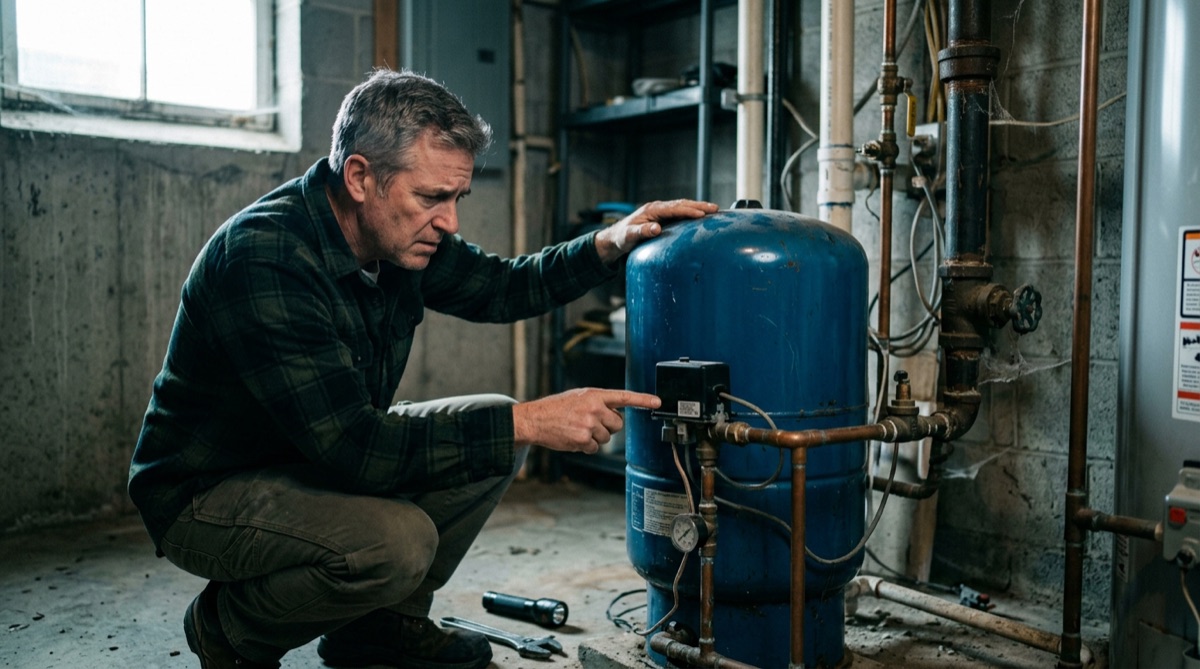
A well pump usually gives clear warnings before it fails completely. The most reliable signs a well pump is failing are changing water pressure, continuous running, rapid cycling, air at…
Nobody routinely regulates or tests private well water for you. Unlike a municipal supply, your well has no utility collecting mandatory samples and warning you when the water changes. The…
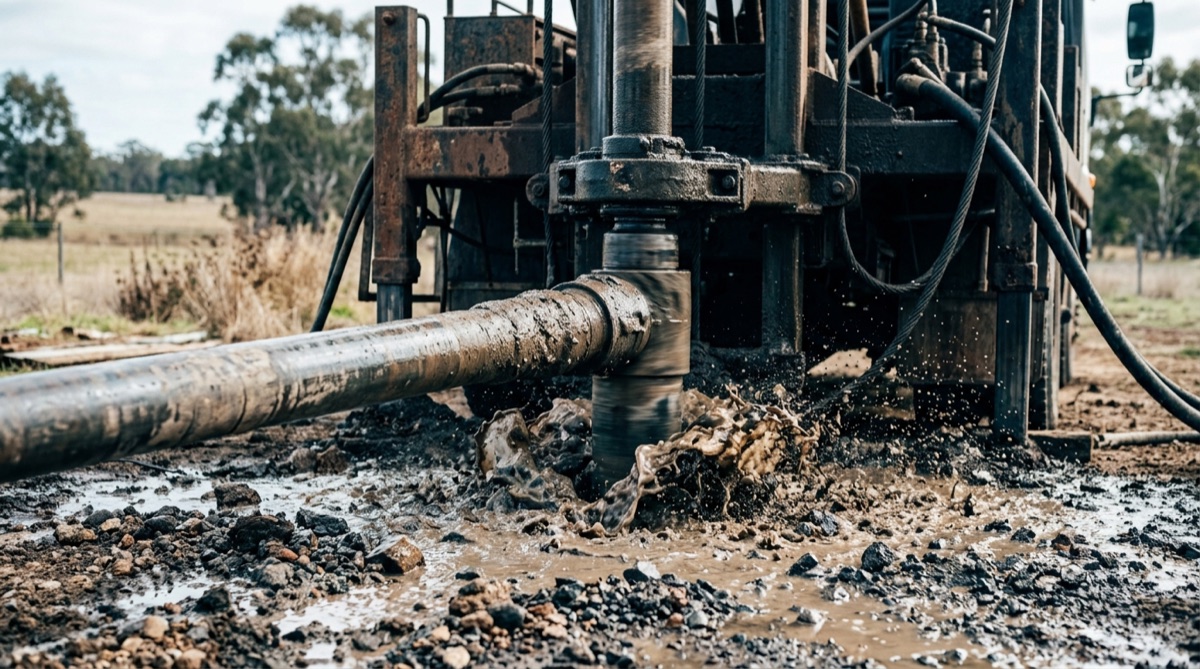
Hiring a well driller is not like hiring a general contractor. You are trusting someone to bore through your property into the water supply your household may depend on for…
How long does a well last? For a properly constructed drilled well, a reasonable planning range is 25 to 50 years or longer. Some wells remain productive for more than…
There is no universal “right” well depth. A water well must reach an aquifer that can supply usable water reliably while meeting the construction standards in your state, province, county,…
There are three basic types of private water wells: drilled, bored and driven. The right one for a property depends mainly on the local geology, the depth of usable groundwater…
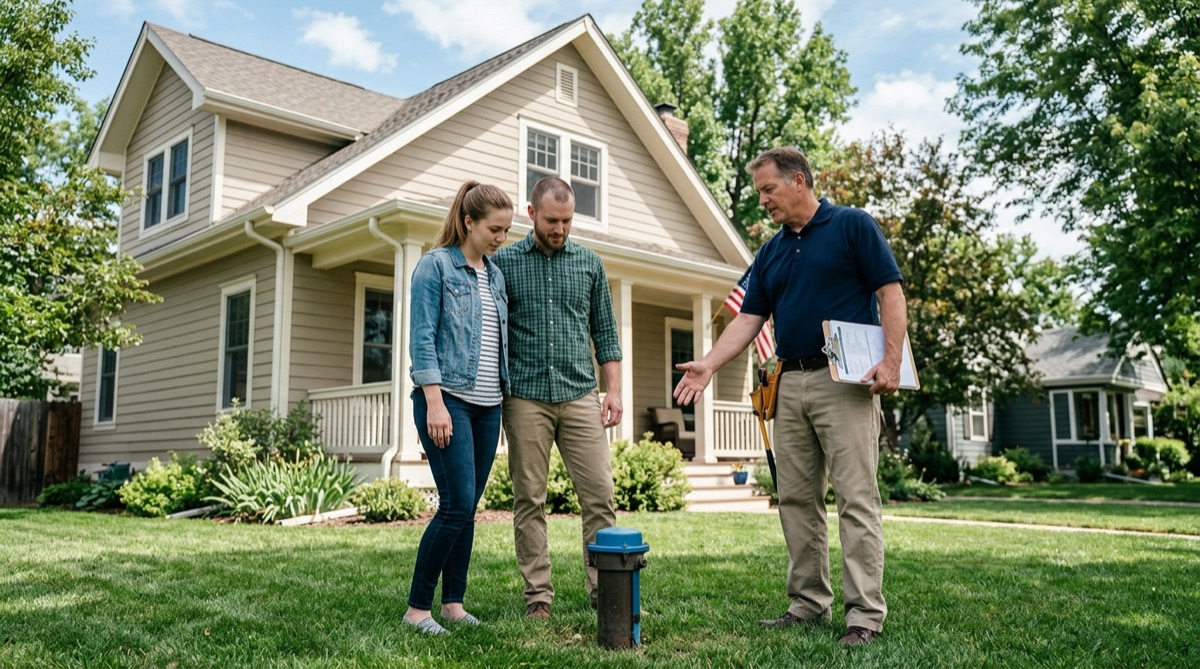
If you are buying a home with a well, arrange two separate checks before closing: a professional well inspection and a laboratory water-quality test. A standard home inspection generally does…