Well guidance · 4,900+ contractor listings
Know what's under your land — and what it costs to reach it.
Understand likely costs, depth, permits, pumps and water quality — then browse listed local contractors when you're ready.
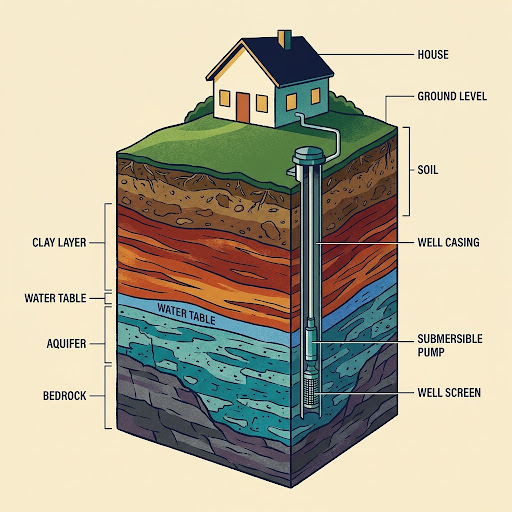
Choose a starting point
Start with the question you have.
Each path begins with the homeowner decision, then points to the detailed guide, calculator or official lookup that supports it.
Plan a new well
See the decisions, approvals and project sequence before work begins.
Open planning guides →02Prepare cost and depth questions
Use local records and an itemized contractor quote to plan the project.
Start with the Cost Guide →03Check permits and setbacks
Find the responsible authority and the local requirements you still need to confirm.
Review regulations →04Test or treat well water
Start with testing, then match treatment decisions to verified laboratory results.
Explore water-quality guides →05Diagnose a problem
Use the symptom guides to organize safe checks before paying for the wrong repair.
Start troubleshooting →06Maintain an existing well
Plan routine observations, testing and professional checks across the life of the system.
View maintenance guides →The homeowner journey
Follow the project from first question to working tap.
Use the stage you are in now. You do not need to read the whole site before finding a useful next step.
Research the property
Review nearby well records, site constraints and the existing system before making assumptions.
Property and well guides →Plan cost and approvals
Build a budget range and identify the authority that controls permits, siting and licensing.
Planning guides →Drill and equip the well
Understand the sequence, quote scope, casing, pump and testing decisions before work starts.
Cost and project guides →Test and maintain the water
Use laboratory results, a maintenance schedule and qualified local help when conditions change.
Water-quality guides →How to use this site
Use numbers as a starting point.
Planning ranges help you ask better questions. They are not quotes, permits, laboratory results or professional designs.
Planning
Start with the cost, depth and capacity assumptions that matter most to the decision.
Transparent
Use guides and tools that state their coverage, method, sources and limits.
Confirm locally
Local authorities, laboratories and qualified professionals make the final site-specific decisions.
Recent additions
Latest field guides and research.
New and recently refreshed articles across planning, regulation, water quality and well ownership.
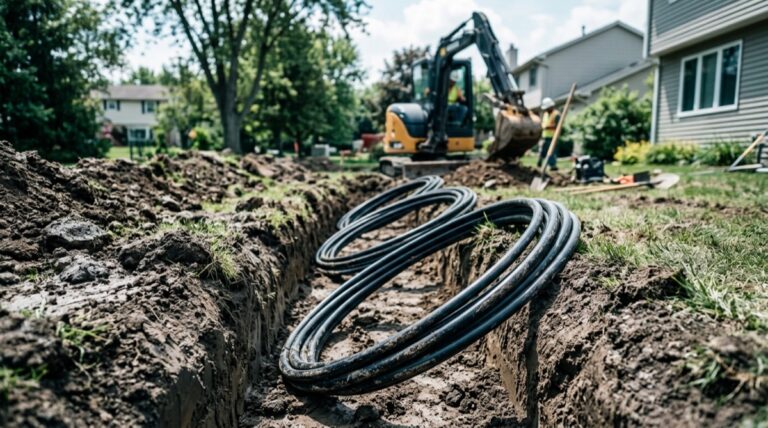
Geothermal Loop Fields Explained
Understand vertical, horizontal and pond geothermal loops, what controls design, and what to verify before drilling.
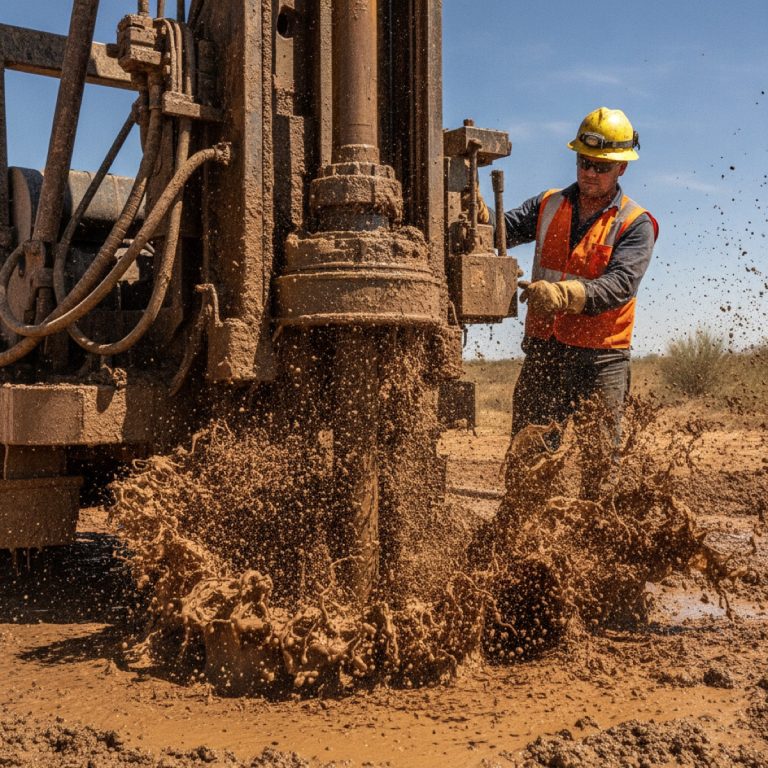
How a Water Well Is Drilled: From Site Visit to Drinkable Water
Drilling a residential water well usually takes about one to five working days once the rig is operating. The full process—from the first site…
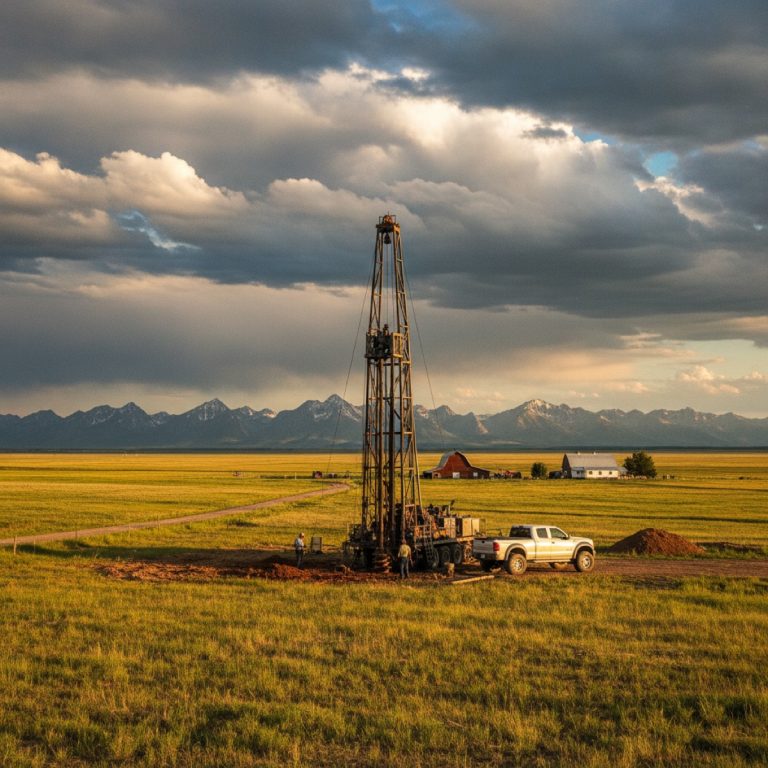
Drilling a Water Well in Alberta: Authorizations, Water-Well Reports & Costs
For an ordinary household well in Alberta, the homeowner does not apply for a Water Act licence or a separate household authorization. The Water…
Contractor discovery
Ready to compare local drillers?
Browse listed contractors and contact them directly. Before hiring, confirm current licensing, insurance and quote scope with the appropriate authority.
Already listed and want more of the right work? Read the free growth guide →