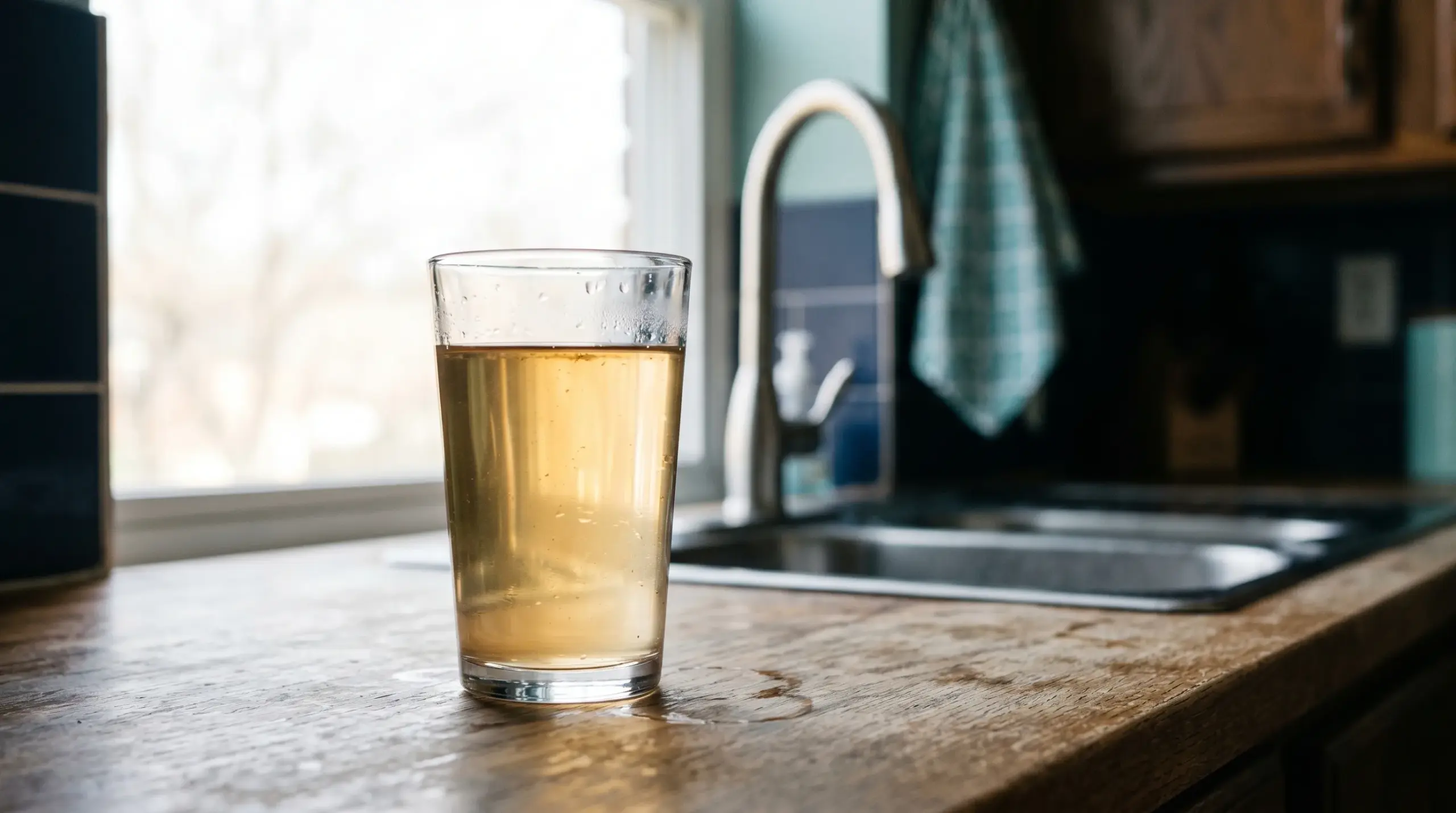
If your well water looks like weak tea, leaves yellow-brown marks on laundry, and remains discolored after passing through a standard iron filter, tannins are a likely cause. These natural…
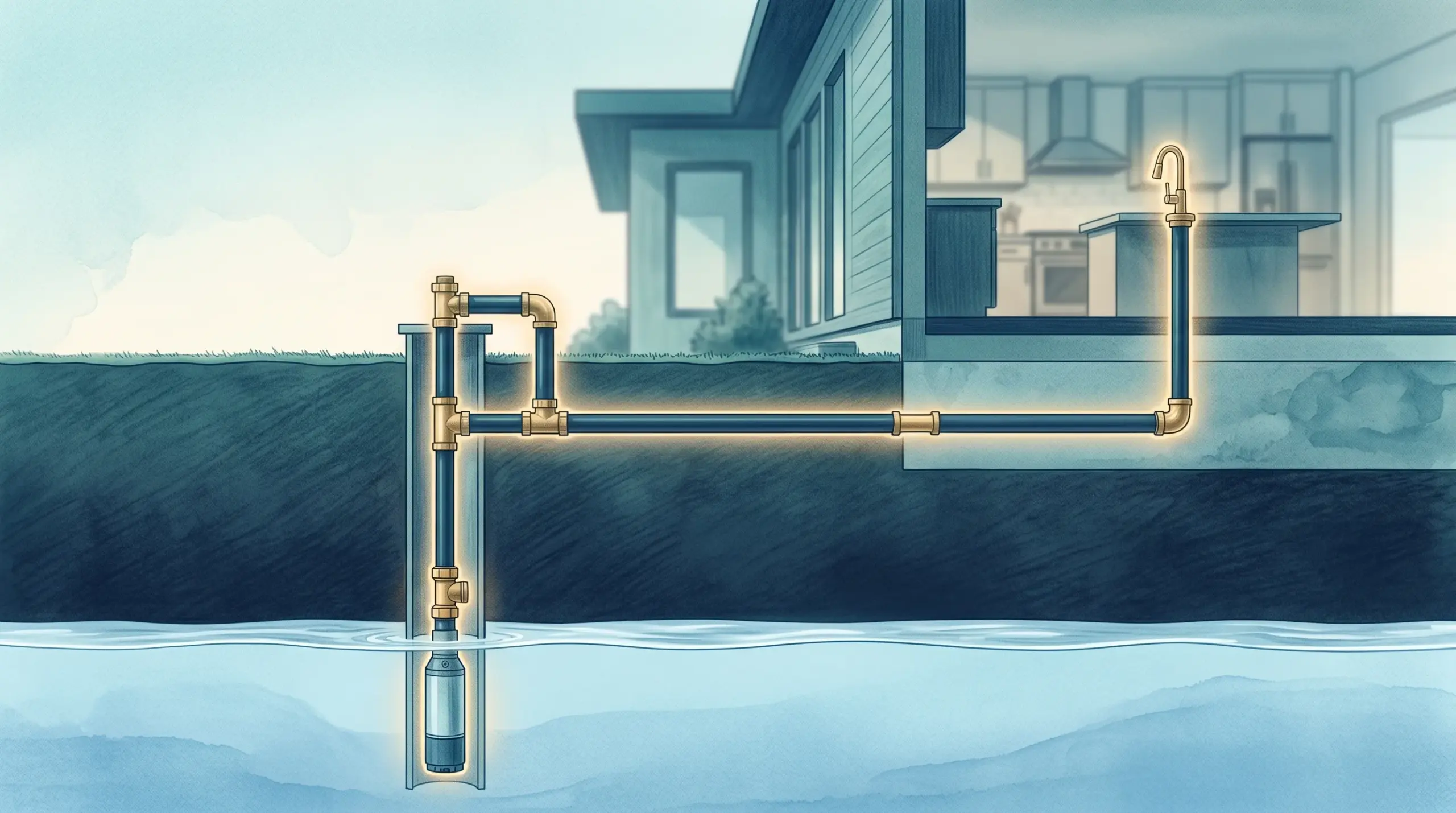
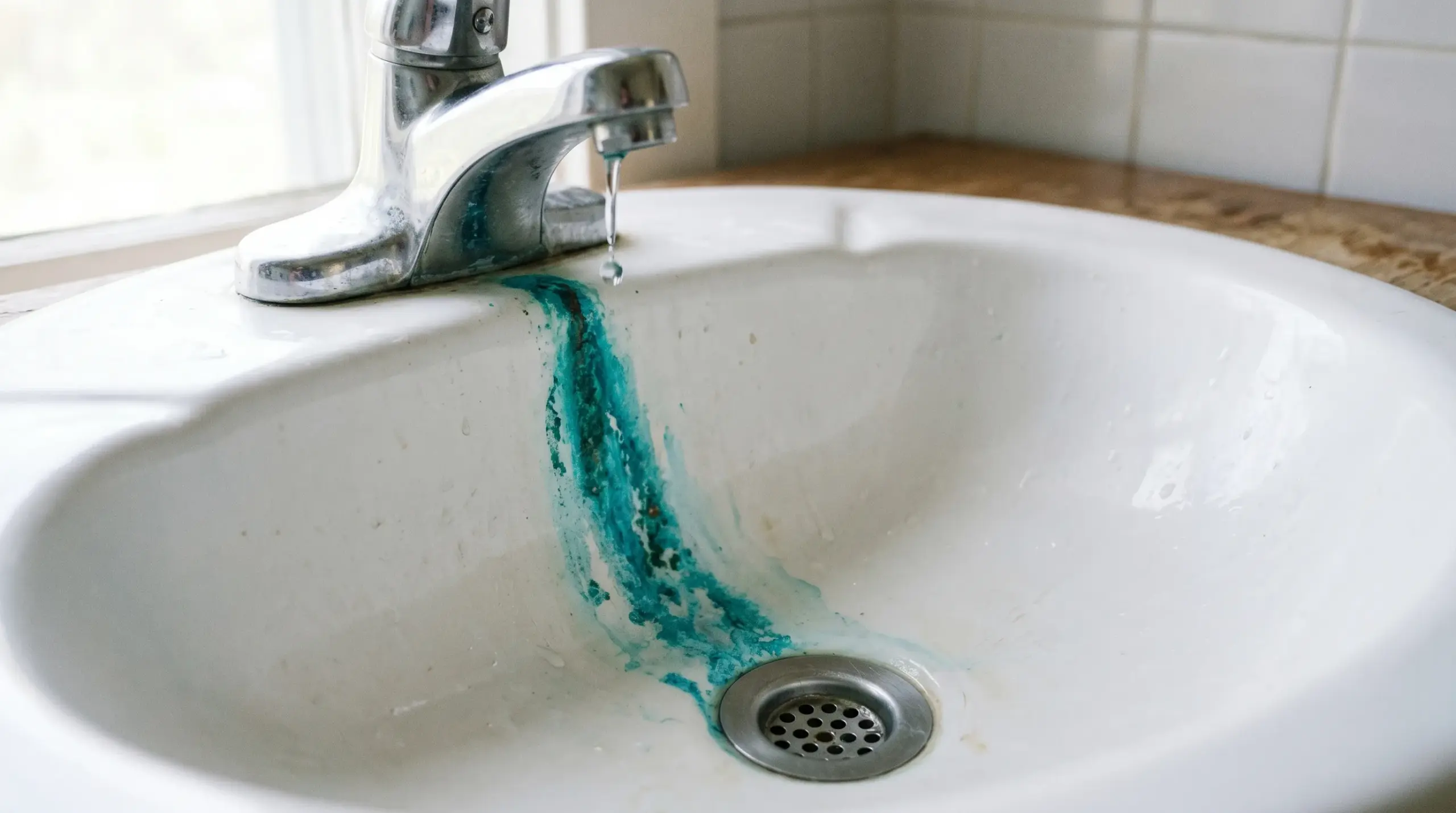
Lead can enter water between the well and the tap Lead in a private-well system can come from lead-containing pipes, solder, fixtures or well components. Corrosive groundwater can help release…
Most people associate radon with basement air. Private well water can be another source. Radon dissolves in groundwater, travels through the plumbing, and escapes into the home whenever water is…
Low pH can contribute to corrosion, allowing metals from plumbing to enter water and causing leaks. A pH result and visible staining do not tell you how much lead or…
A new salty taste is a reason to investigate your well water. Arrange testing and contact your local health or environmental authority for advice about the appropriate tests. Taste cannot…
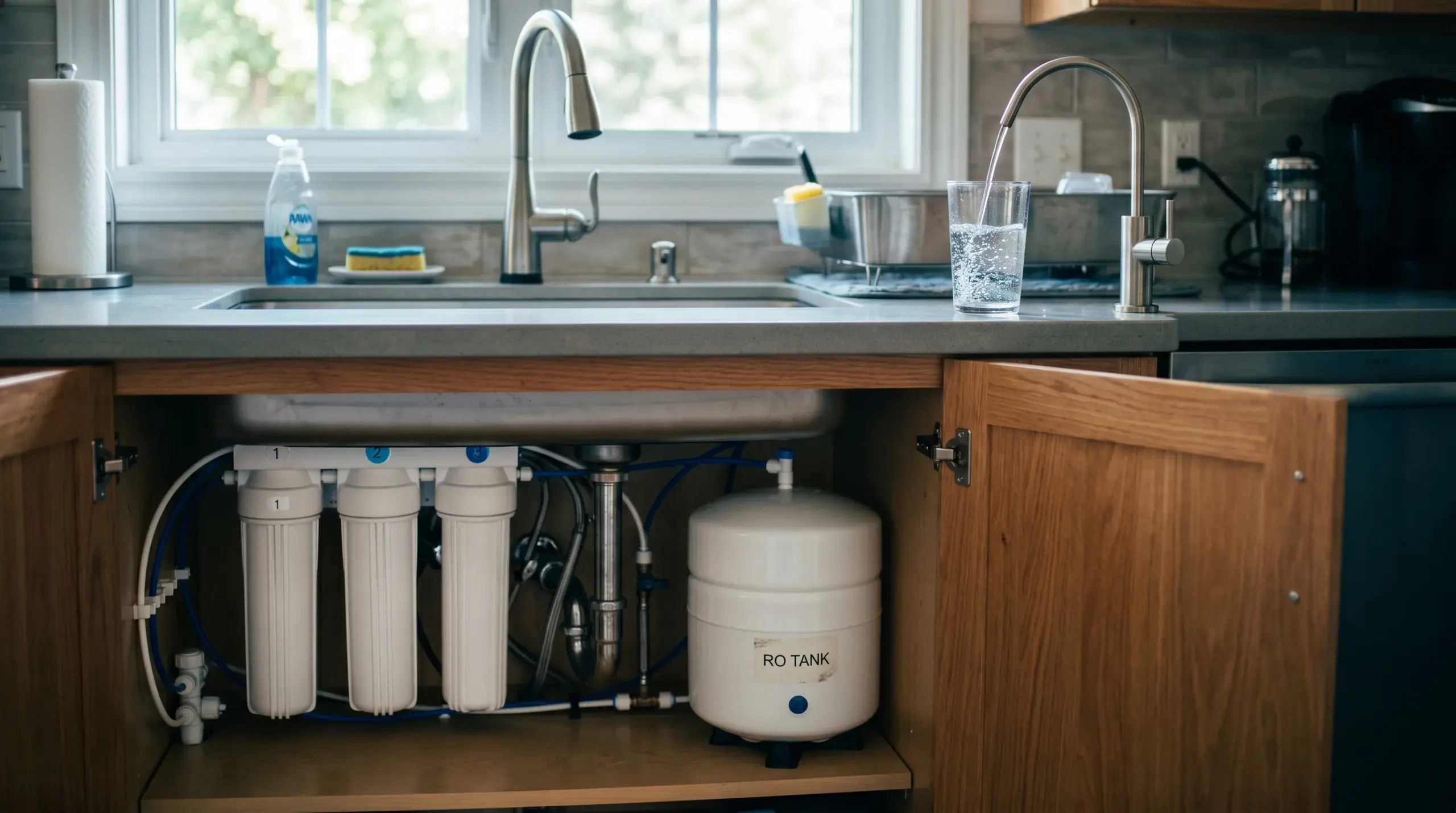
Reverse osmosis (RO) can be a useful well-water treatment when a laboratory test identifies a contaminant and a particular system is certified to reduce it. It is not a default…
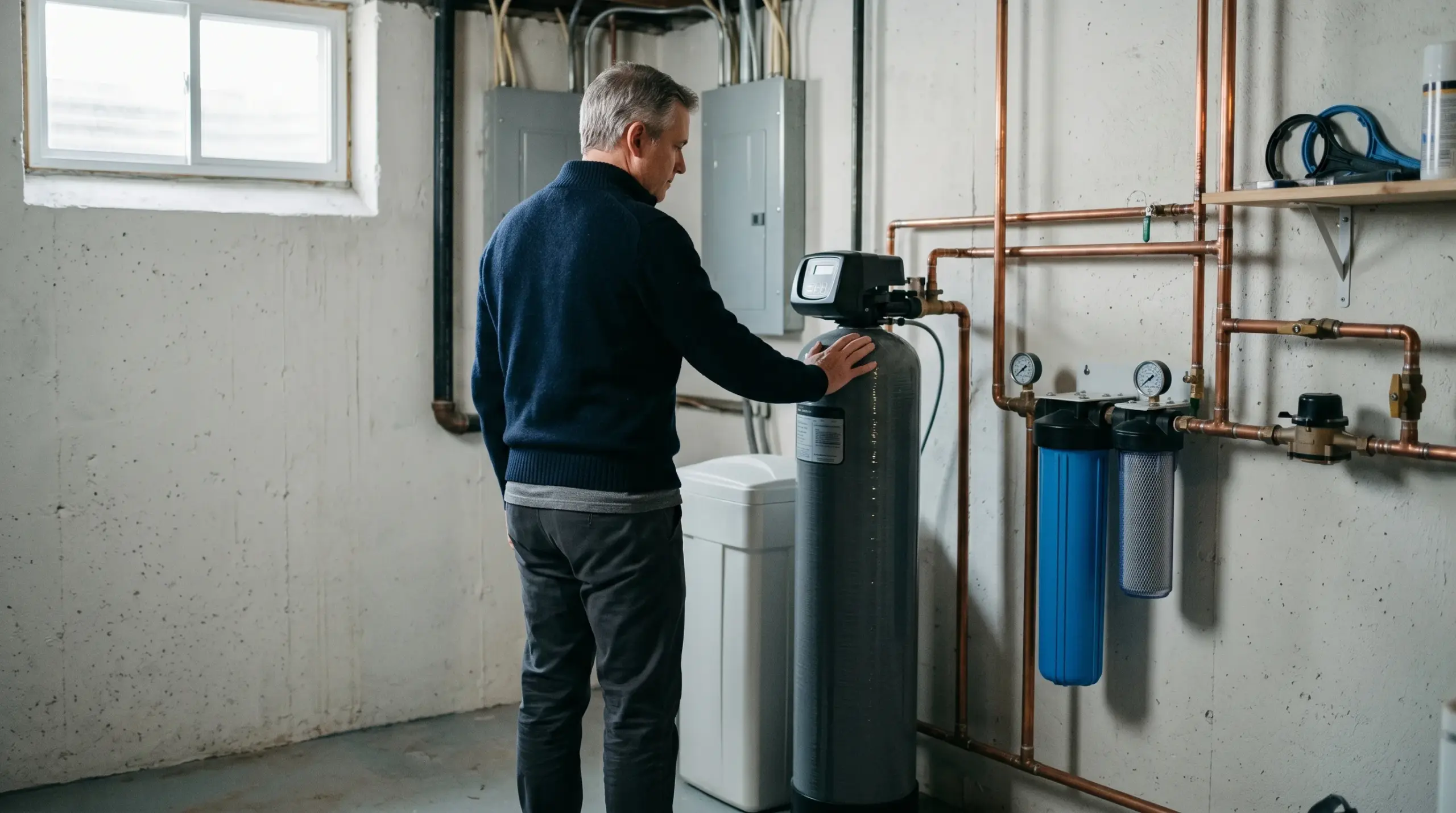
A water softener and a water filter solve different problems. A softener removes hardness minerals—mainly calcium and magnesium—that cause scale, soap scum, stiff laundry, and loss of water-heater efficiency. A…
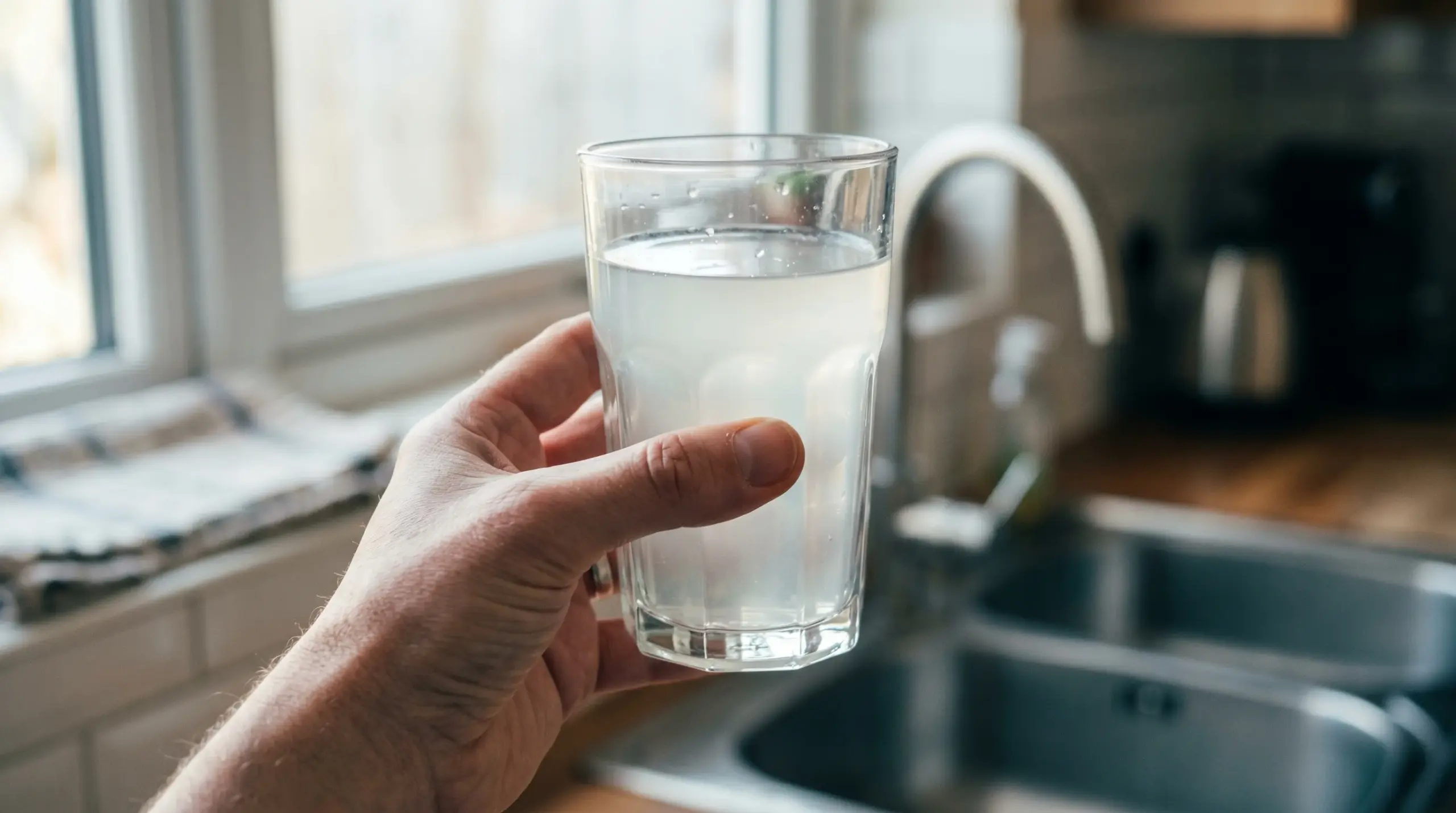
Cloudy well water is usually caused by one of two things: tiny trapped gas bubbles or actual material suspended in the water. Ordinary air bubbles are generally harmless and disappear…
PFAS in well water cannot be detected by taste, smell, or appearance. The only reliable way to know whether your well is affected is to order a specialized laboratory test;…
Nitrates in well water are the most common chemical contamination problem in many agricultural areas. The water can look, smell, and taste normal while containing enough nitrate to endanger an…
Viewing 10 posts 1 - 10 of 16
Change Location
Find awesome listings near you!
Your privacy choices
We use analytics to understand which guides and tools help visitors. You can accept analytics or continue without them. Privacy policy