What an arsenic result can tell you Arsenic can enter groundwater from minerals and rocks, and from industrial or agricultural activities. Clear water and the absence of a smell or…
A positive test for coliform bacteria in well water does not necessarily mean the water has already made someone sick. It does mean the well’s protective barriers may have been…
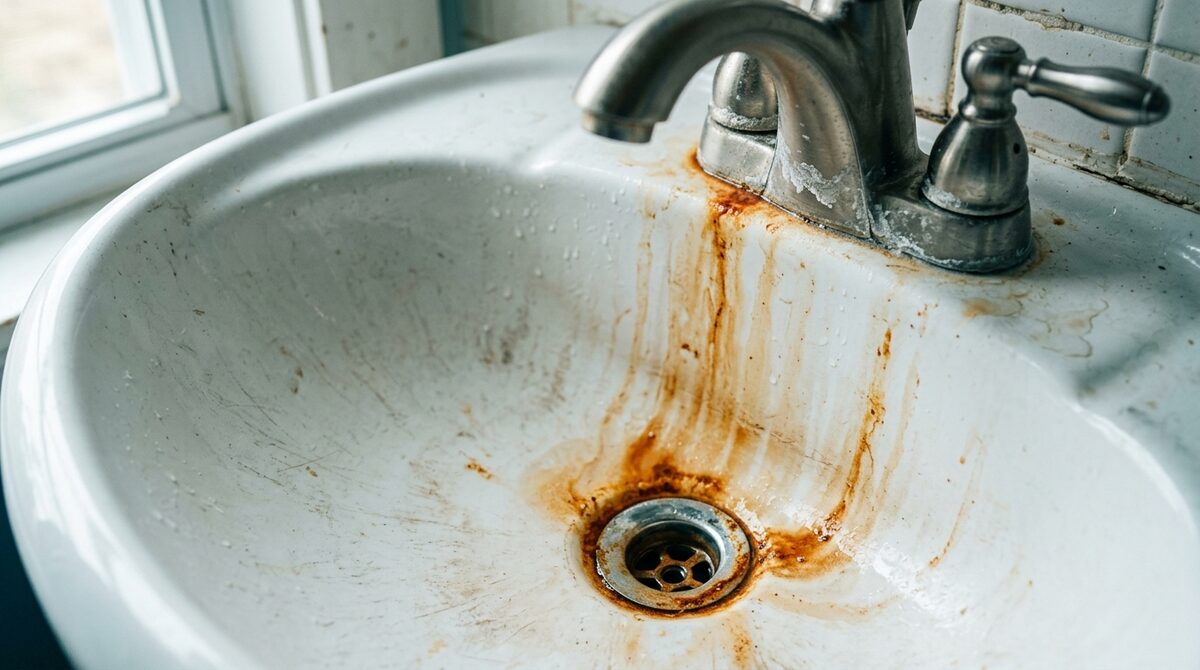
The color of a well-water stain is a useful clue to what is dissolved in the water. Orange and rust-colored stains usually mean iron. Black or dark-brown stains usually point…
If your well water smells like sulfur or rotten eggs, the odor is usually hydrogen sulfide gas, written chemically as H2S. At the concentrations normally encountered in residential well water,…
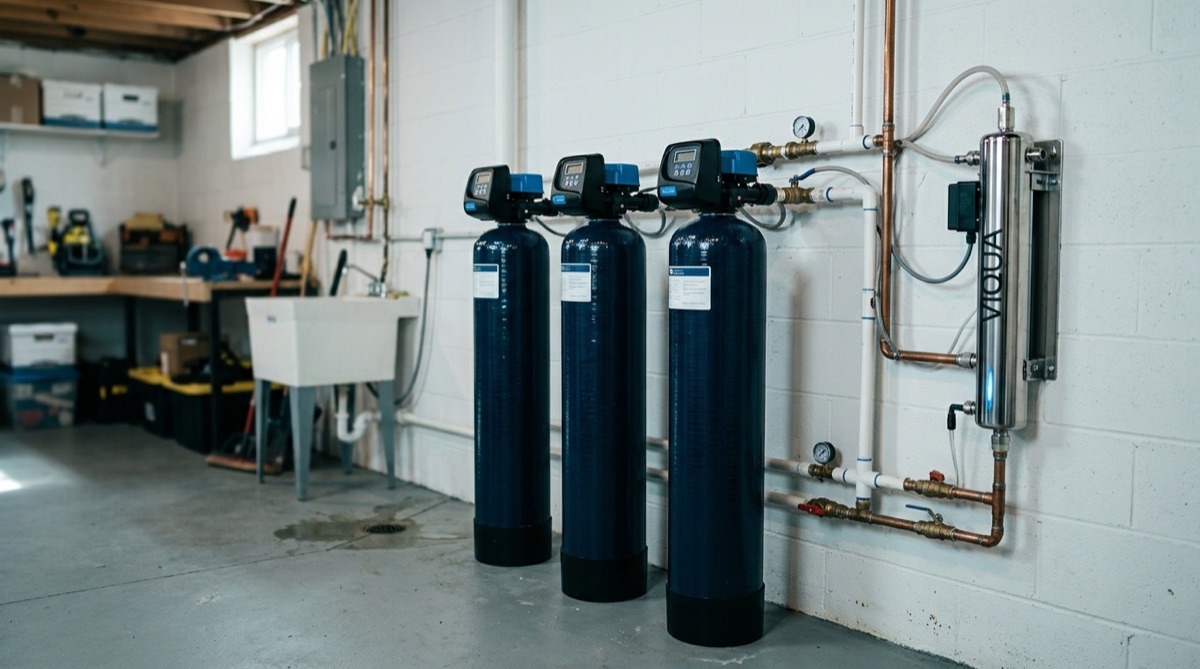
There is no single “well water treatment system.” The right equipment depends on what your water test found, how much is present, and how much water your household uses. Iron…
Nobody routinely regulates or tests private well water for you. Unlike a municipal supply, your well has no utility collecting mandatory samples and warning you when the water changes. The…
Viewing 10 posts 11 - 16 of 16
Change Location
Find awesome listings near you!
Your privacy choices
We use analytics to understand which guides and tools help visitors. You can accept analytics or continue without them. Privacy policy