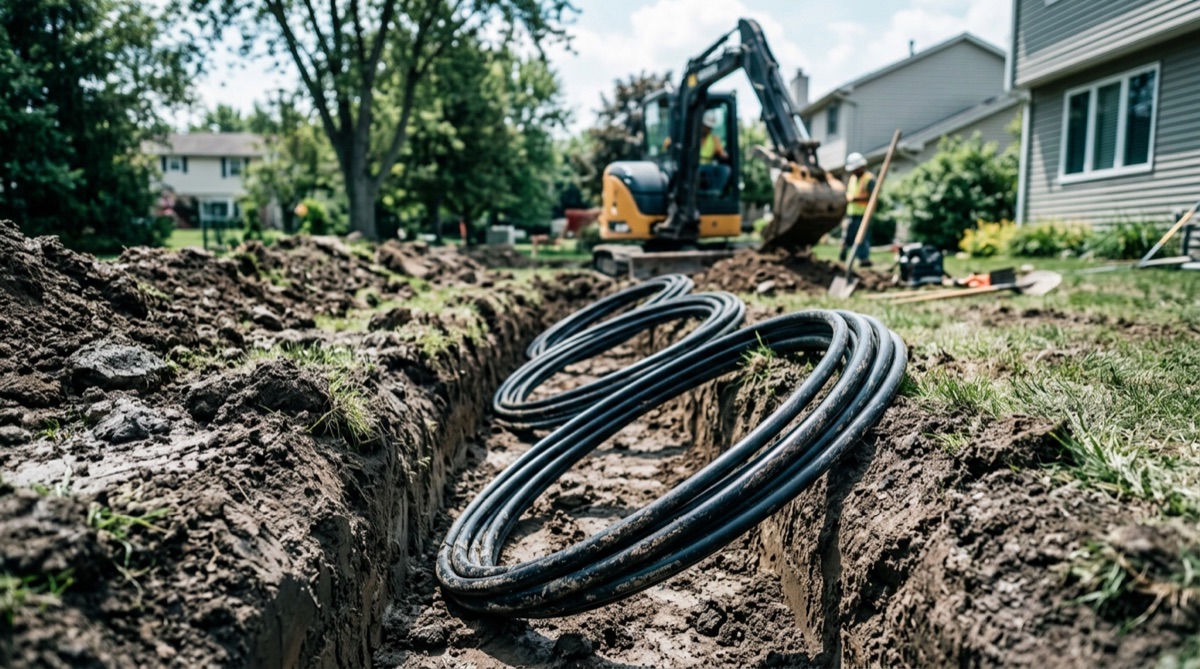
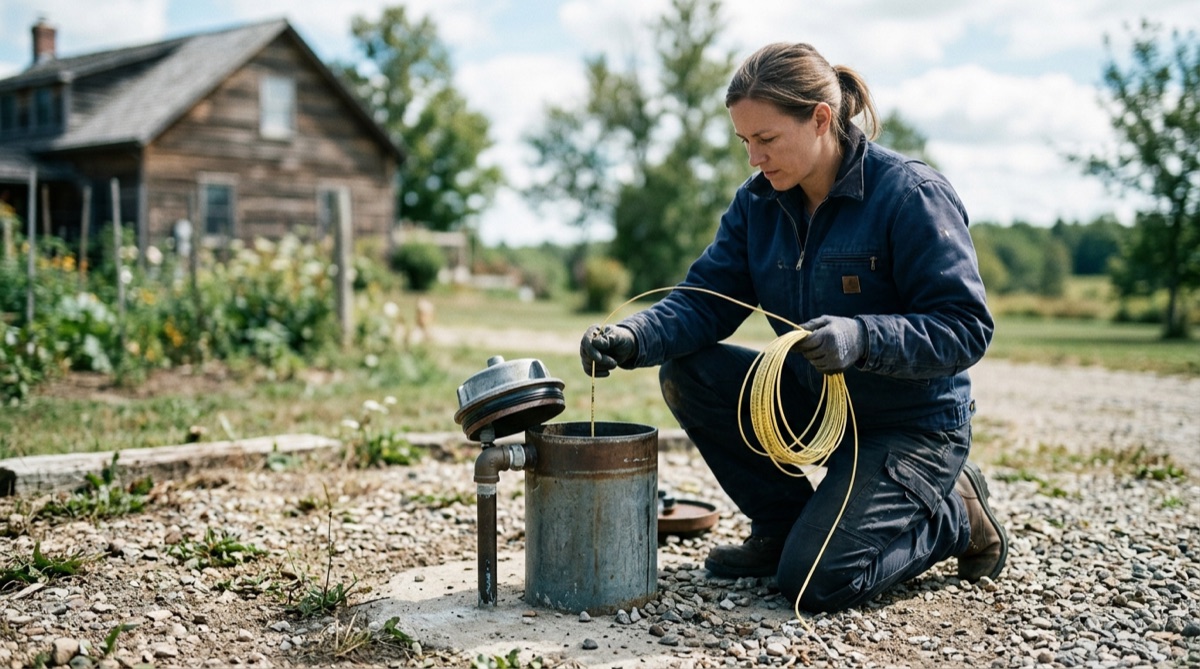
A geothermal heat pump does not create heat by burning fuel. It moves heat between a building and the ground through an underground collector made from connected pipe. The collector…
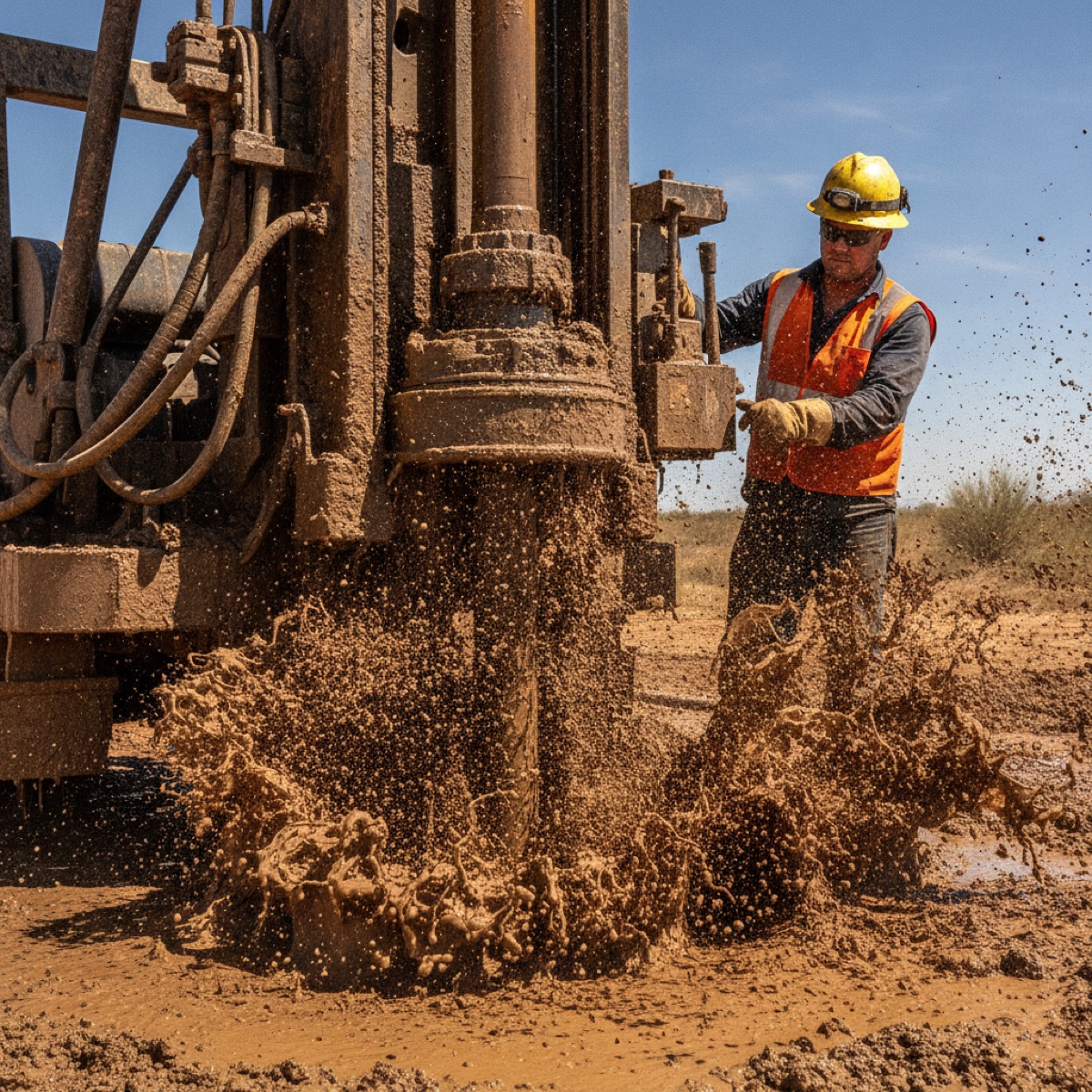
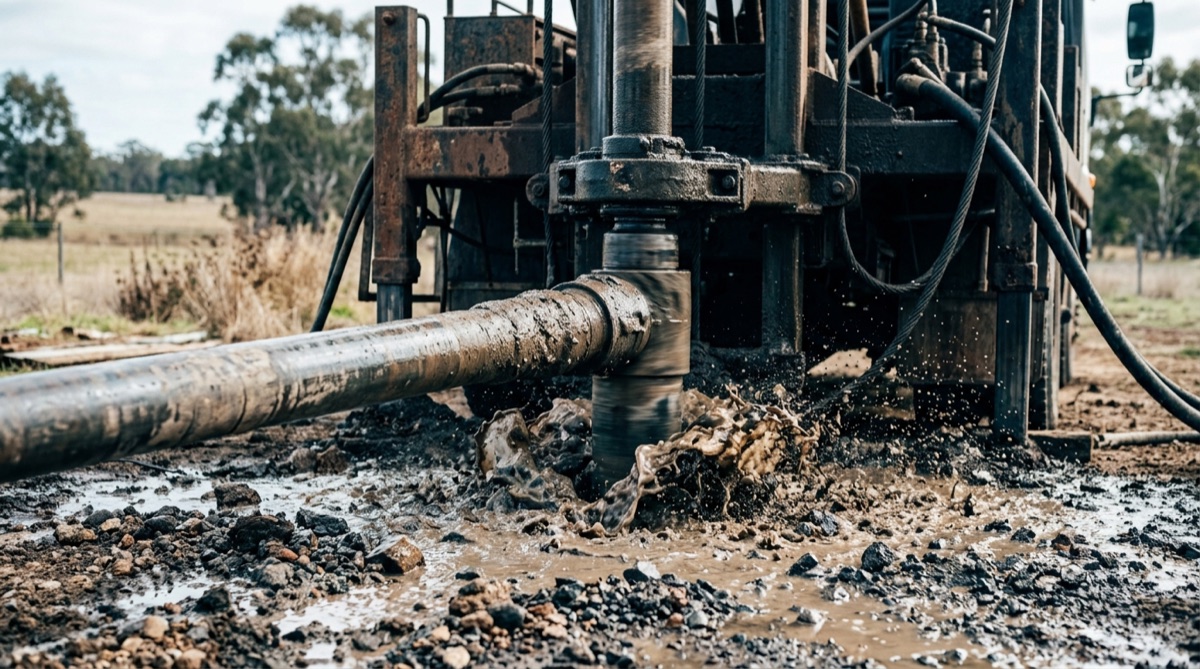
Drilling a residential water well usually takes about one to five working days once the rig is operating. The full process—from the first site visit to water that has passed…
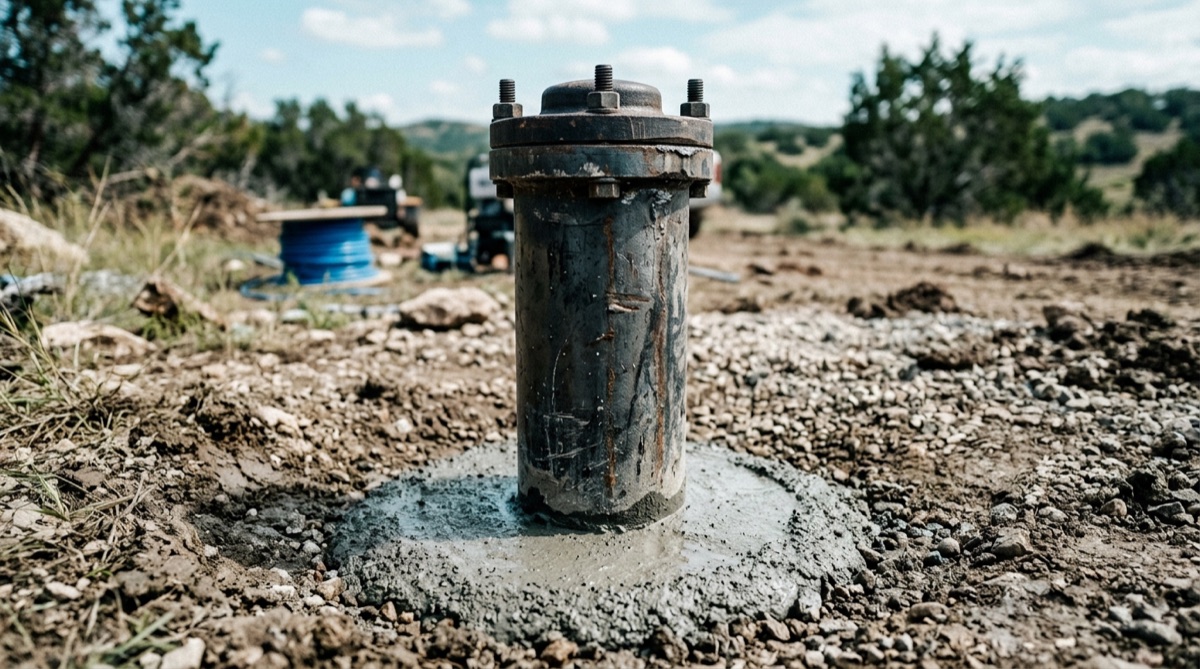
The casing and grout seal are the two components that protect your drinking water from contamination at the surface. If either fails, bacteria, pesticides, fuel, road salt, or dirty runoff…
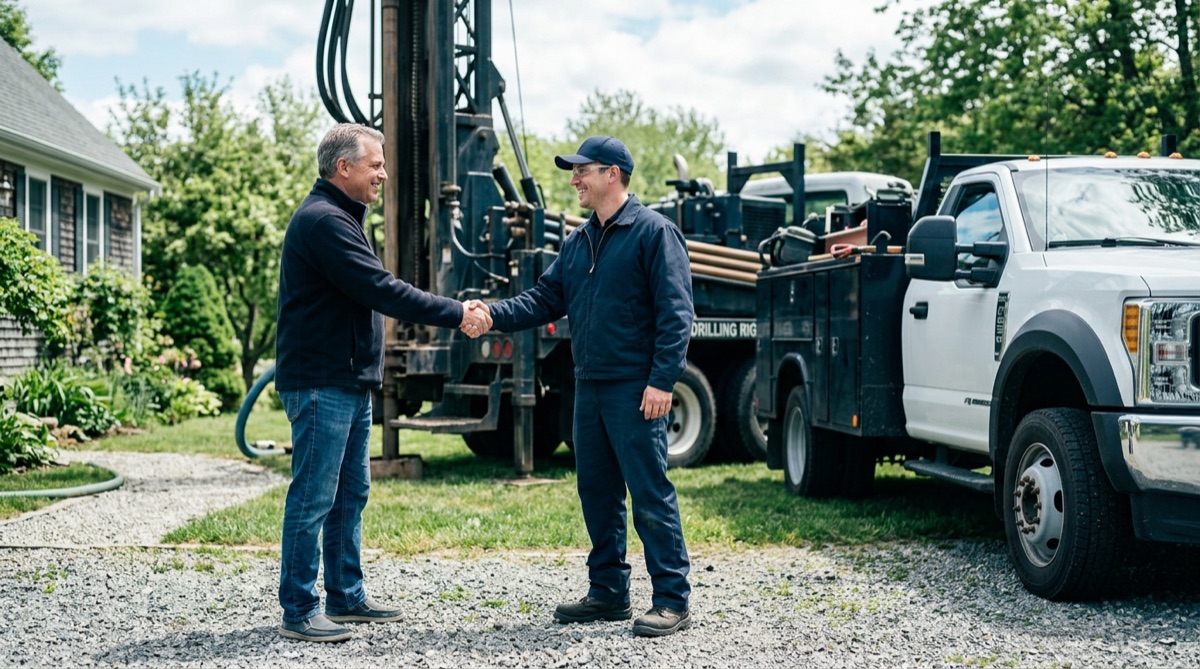
Hiring a well driller is not like hiring a general contractor. You are trusting someone to bore through your property into the water supply your household may depend on for…
There is no universal “right” well depth. A water well must reach an aquifer that can supply usable water reliably while meeting the construction standards in your state, province, county,…
There are three basic types of private water wells: drilled, bored and driven. The right one for a property depends mainly on the local geology, the depth of usable groundwater…
Change Location
Find awesome listings near you!
Your privacy choices
We use analytics to understand which guides and tools help visitors. You can accept analytics or continue without them. Privacy policy